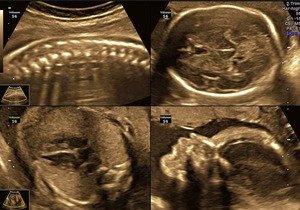
TIFFA SCAN- TARGETED IMAGING FOR FETAL ANOMALIES
THE DETAILED ANOMALY SCAN
ALL YOUR QUESTIONS ANSWERED
What is a TIFFA scan ?
TIFFA (Targeted Imaging for Fetal Anomalies), also known as a detailed anomaly scan, is a specialised ultrasound to evaluate the fetus comprehensively in complete detail. This targeted scan is crucial for detecting structural abnormalities in the developing fetus. It is performed only by experts. It can be called the most important scan in pregnancy.
What are all the details checked in this scan?
This is a very detailed scan where the entire fetus is checked thoroughly in detail from head to foot. to summarize very briefly all that is checked includes- the fetal head and brain, fetal face including the eyes, the nose including the nasal bone, the lips, the fetal neck, the fetal chest including details of the fetal heart, the fetal lungs, the diaphragm that is the partition between the chest and abdomen, the abdominal organs including the stomach, kidneys and bladder, the umbilical cord, the fetal limbs-that is the hands and legs. The fetal gender is not revealed during the scan in accordance with the PNDT guidelines.
- When is the TIFFA Scan Done?
The ideal time for a TIFFA scan is between 18 to 22 weeks of pregnancy, with the optimal window being 20 to 22 weeks for detailed visualization. After 25 weeks, it may become challenging to assess all details accurately.
- Is this detailed anomaly Scan Mandatory?
While the scan is not compulsory, it is strongly recommended to identify potential fetal abnormalities early. Early detection allows appropriate planning and intervention if necessary.
- What Happens if the TIFFA Scan is Missed After 26 Weeks?
If you’ve missed the recommended timeframe, a growth scan can be performed. Though some details may not be visible, the expert will make every effort to evaluate the fetus.
- Does the TIFFA Scan Assess Other Factors?
Yes, apart from detecting fetal anomalies, the scan evaluates:
- Amniotic fluid level
- Placental status
- Cervical length
- Fetal growth
- How to Prepare for this anomaly Scan?
- Have a good meal before heading for the scan.
- Maintain a moderately full bladder—overfull bladders can hinder visualisation.
- If the fetus’s position limits visibility, light snacks (like tea, juice, or biscuits) may help reposition the fetus.
- What Documents Are Needed for the TIFFA Scan?
- Doctor’s prescription slip
- Previous medical reports for comparison
- A copy of government-issued ID (Aadhar, Passport, Driving License, etc.) per PNDT Act guidelines
- Is the Fetal Gender Revealed?
No. Fetal gender determination is prohibited and is a punishable offense under the PNDT Act.
- How Long Does this Scan take?
The scan typically takes around 20 minutes. If the fetal position is suboptimal, additional time may be needed after light activity and snacks.
- Can Family Members View the this Scan?
Yes, but inform the reception desk beforehand. Post-scan, family members can view the fetus and its details. However, photography and videography are strictly prohibited under the PNDT Act.
- Is the anomaly Scan Safe?
Yes, the anomaly scan is entirely safe. It uses sound waves, not radiation, making it safe even for multiple scans during pregnancy.
- Can the TIFFA Scan Detect All Anomalies?
While highly reliable, the TIFFA scan is not 100% accurate. Factors like maternal obesity, fetal positioning, and low amniotic fluid can limit visibility. No single test can guarantee the detection of all abnormalities or ensure normality.
- What’s the Next Scan After the this Scan?
The next scan, typically a growth scan, is performed between 28 to 32 weeks of pregnancy. If issues are identified during the TIFFA scan, additional scans may be recommended every 4–6 weeks.
13. Does this scan exclude all abnormalities including chromosomal abnormalities ?
No, this scan does not completely exclude chromosomal and genetic abnormalities. It only detects structural abnormalities and can detect soft markers of chromosomal abnormalities.
14. Is the procedure painful?
No, the procedure is painless and non-invasive and is done by placing the transducer on the abdomen, If an internal scan is done to check the cervix, there may be a little discomfort but it is generally not painful.
15. What if any probelms or abnormalities are detected?
Your doctor will discuss further diagnostic tests, treatment, or monitoring options depending on what the problem is/